Compare Prop Trading Firms and Challenges in One Place
BigTradeBoard helps traders compare prop firms, trading challenges, rules, costs, payouts and more — so you can find the right opportunity with confidence.
The5ers is an established proprietary trading firm offering CFD and futures funding programmes through one-step, two-step and three-step evaluation models. The firm supports account scaling, profit shares of up to 100%, several major trading platforms and a range of payment and payout methods.
FundedNext is a global proprietary trading firm offering CFD and futures trading programmes through one-step, two-step and instant funding models. Traders can access multiple account sizes, major trading platforms, scaling opportunities and several payout methods.
My Funded Futures is a US-based futures prop firm offering one-step evaluations, multiple funded plan options, daily payout opportunities on selected plans and access to several futures trading platforms.
Lucid Trading is a futures prop firm offering multiple evaluation programs, competitive pricing, fast payouts and support for professional trading platforms.
Common questions about prop firms, trading challenges, funded accounts, rules, drawdown and payouts.
What is a prop firm and how does it work?
A prop firm, short for proprietary trading firm, gives traders access to trading capital under a defined set of rules. Many retail prop firms use an evaluation or challenge where traders must reach a profit target while staying within drawdown and other risk limits. Traders who meet the requirements may become eligible for a funded or simulated funded account and receive a share of approved profits.
How do prop firm challenges work?
A prop firm challenge is an evaluation used to test whether a trader can meet a profit target while staying within the firm’s risk limits. Depending on the challenge, traders may need to complete one or more phases and follow rules covering maximum drawdown, daily losses, trading days and permitted strategies. The exact requirements, fees and account conditions vary between firms and challenge types.
Are prop firms legitimate?
Some prop firms are established businesses with clear rules, transparent terms and a record of processing trader payouts, while others may be newer or less proven. Before paying for a challenge, check the firm’s company information, evaluation rules, payout terms, trading restrictions, platform access and independent user feedback. A professional-looking website or large advertised account size should not be treated as proof that a firm is reliable.
What happens if I fail a prop firm challenge?
If you break a challenge rule or exceed a loss limit, the evaluation usually ends for that account. In most cases, you do not lose the advertised account balance; your direct cost is generally the challenge fee you paid. Some firms offer resets, retries or discounted new evaluations, but the exact policy varies, so it is important to check the terms before purchasing.
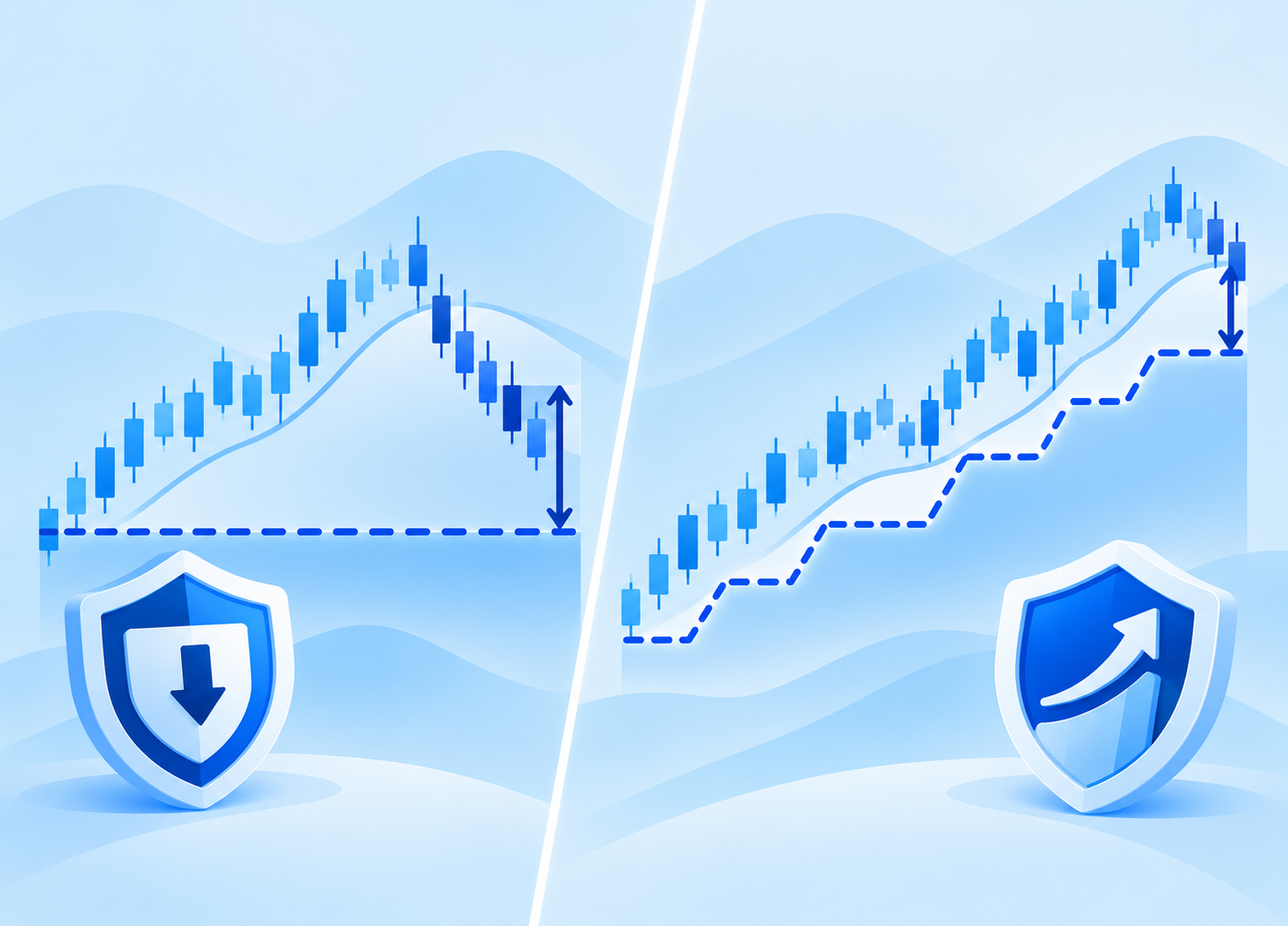
What is drawdown in a prop firm challenge?
Drawdown is the maximum decline a trading account is allowed to experience before a rule is breached. Prop firms may use different models, including static drawdown, trailing drawdown and separate daily loss limits. The calculation method matters because it affects how much room a trader has during losing periods, so drawdown rules should always be checked carefully before choosing a challenge.
How do prop firm payouts and profit splits work?
Profit split is the percentage of approved trading profits paid to the trader. For example, a 90% profit split means the trader may receive 90% of eligible profits while the firm retains the remaining share. Payout schedules, minimum withdrawal amounts, consistency rules, waiting periods and other conditions can vary between firms, so the advertised profit split should always be reviewed alongside the full payout policy.
What is the difference between a one-step and two-step prop firm challenge?
A one-step challenge requires traders to pass a single evaluation phase before moving to the funded stage, while a two-step challenge requires two separate evaluation phases. The number of phases can affect the fee, profit targets, drawdown rules and the amount of time or consistency needed to qualify. Neither format is automatically better, so the best choice depends on the trader’s strategy and risk tolerance.
What should I compare before choosing a prop firm?
Compare the challenge fee, account size, profit targets, maximum and daily drawdown, profit split, payout rules, trading platforms, tradable markets and any restrictions on strategies such as news trading, EAs or copy trading. A firm with attractive headline numbers may still be a poor fit if its rules do not match the way you trade.
What is the difference between futures and forex prop firms?
Futures prop firms typically focus on exchange-traded futures markets, while forex prop firms usually focus on currency trading and may also offer CFDs or other instruments. The platforms, account structures, fees, drawdown models and trading rules can differ significantly between the two, so traders should compare the market access and risk rules that best fit their strategy.
★ Featured Prop Firm
My Funded Futures
My Funded Futures is a US-based futures prop firm offering one-step evaluations, multiple funded plan options, daily payout opportunities on selected plans and access to several futures trading platforms.